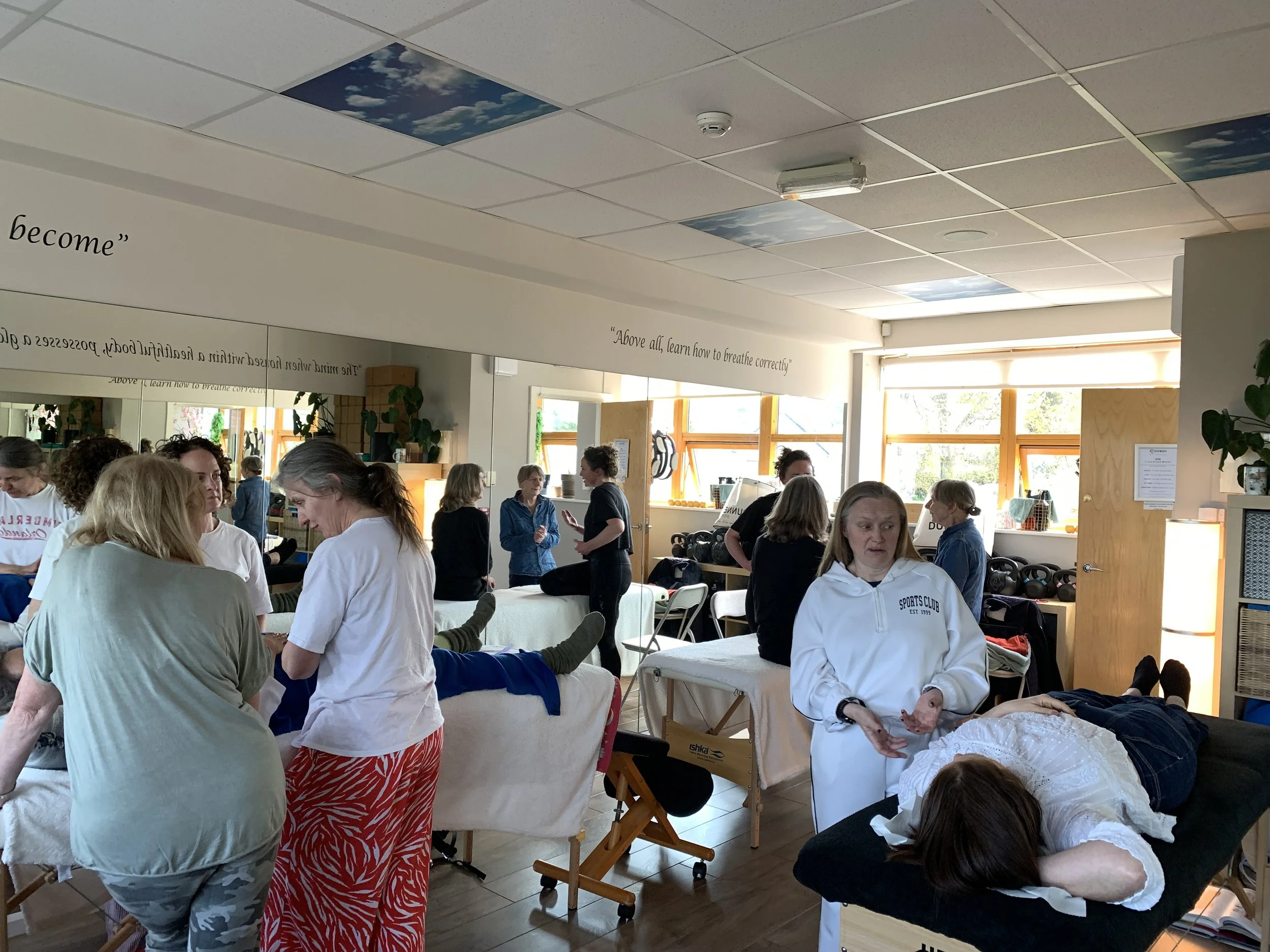
Supporting through a Cancer Diagnosis & Treatment : An Amatsu Approach
with Helen Clarke & Meela Crowe
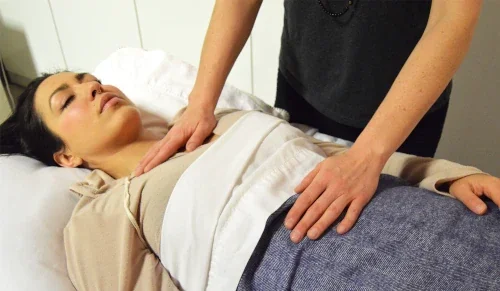
What will be covered on the day?
1. Supporting clients without judgement:
As Amatsu practitioners, our role is to provide a safe and supportive space without having an
opinion on a client’s treatment choices. It’s about helping them feel as comfortable and
supported as possible during what is a very difficult time.
2. Helping with the side effects of cancer treatment:
We’ll look at how Amatsu can support the body through treatment, the impact this has on the
organs and how we can remove toxicity safely and smoothly. Calming the nervous system
and treating the overall wellbeing of our clients. We’ll also cover the shock and emotional
impact of a cancer diagnosis and the importance of looking at the whole person, not just the
physical symptoms.
3. Understanding cancer treatments and terminology:
We’ll also cover some of the common treatments, medications and terminology, so
practitioners can feel more confident and informed when speaking with clients.
4. Personal experience:
Having been through cancer twice and nursed her brother through his cancer journey,
including being his stem cell donor, Helen brings a very personal understanding of both
sides of the experience. She is passionate about helping other Amatsu therapists feel more
confident supporting clients going through cancer treatment, with knowledge, compassion
and humility.
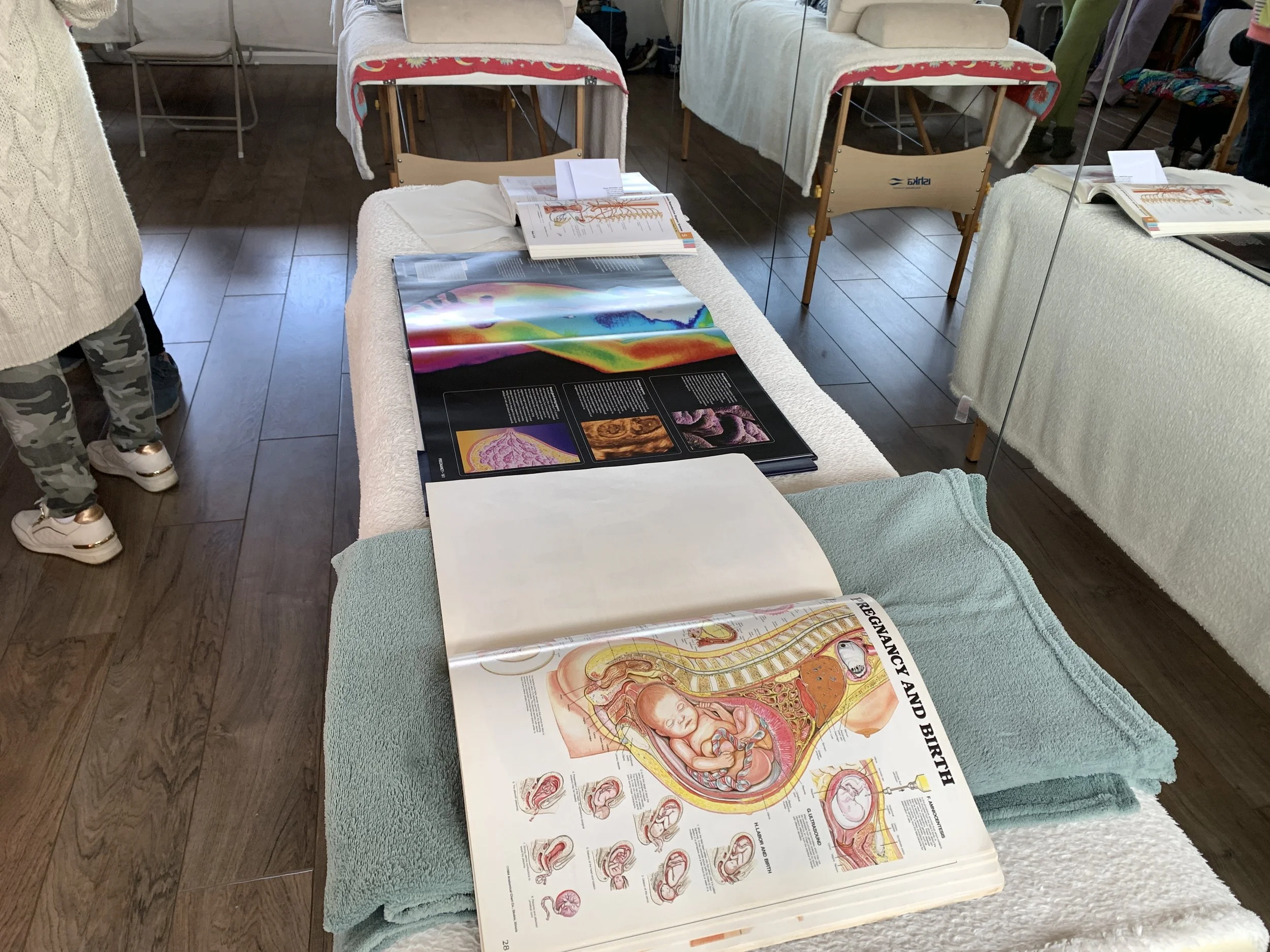
Supporting the Pregnant Body: An Amatsu Approach
with Helen Clarke & Meela Crowe
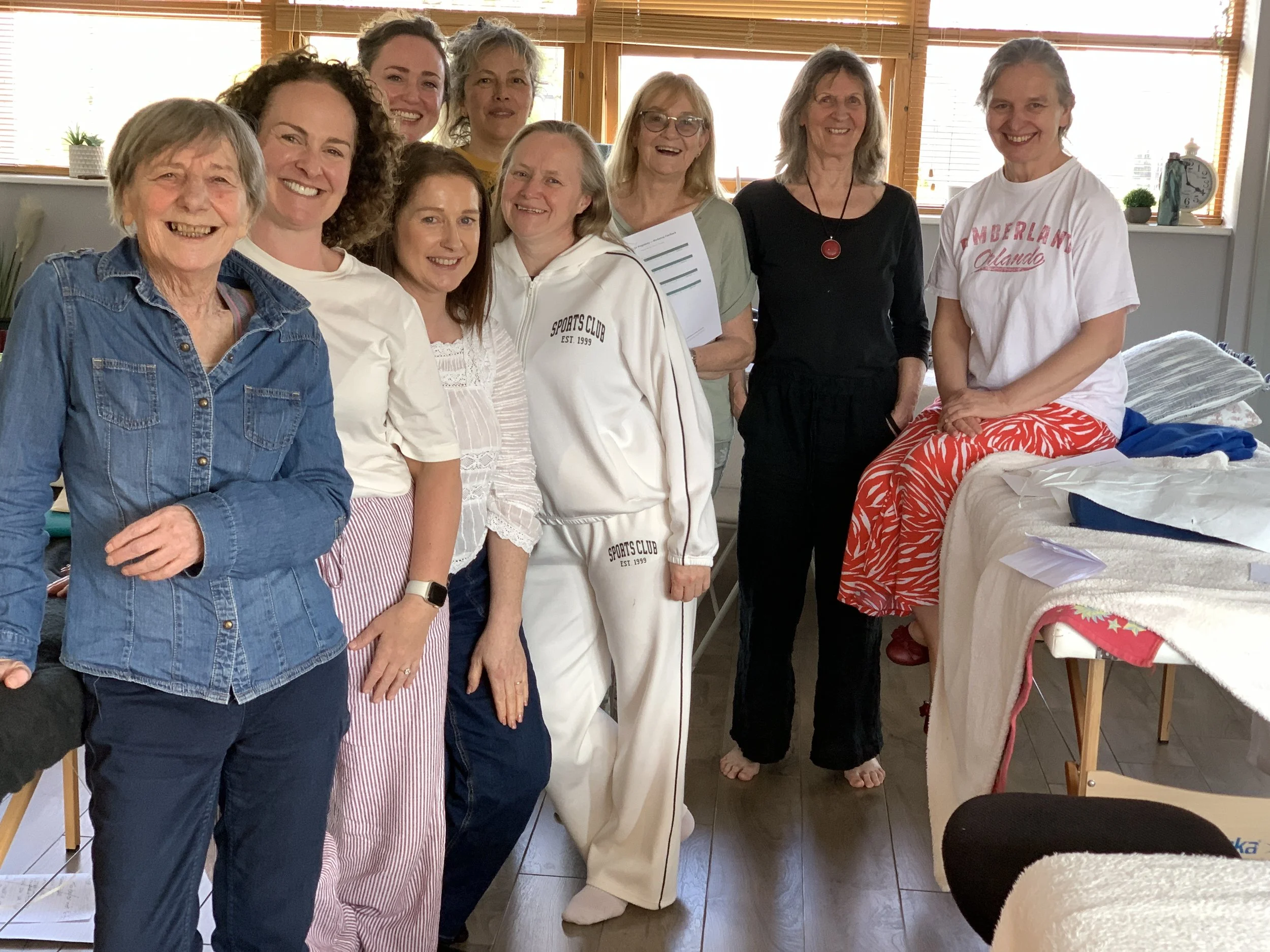
What was covered on the day?
1. The Bigger Picture: Understanding the Pregnant Body
A focused overview of:
Key stages of pregnancy relevant to Amatsu practice
How physiological changes influence structure, balance and comfort
The unique nature of pregnancy: one body supporting another
Practitioner mindset: respect, awareness and appropriate boundaries
2. Major to Minor: Conditions, Cautions & Clinical Awareness
This segment covers:
Common conditions in pregnancy and how they may present
Clear distinctions between:
Where Amatsu can help
Where we must not intervene
Post-delivery considerations: supporting mother and baby after difficult births
Recognising red flags and knowing when to refer
3. Treatment Objectives: Creating Ease & Balance
Practical focus on:
Helping the mother carry her baby with greater comfort
Addressing imbalance as the primary source of difficulty
Techniques for floating the baby into the pelvic cradle to reduce lumbar strain
Hands-on methods that consistently support maternal ease and mobility
4. Comfort, Safety & Best Practice Protocols
Ensuring a safe, supportive environment through:
Communication that builds trust and respects the client’s lived experience
Positioning, pillows, bolsters and supports for comfort at every stage
Awareness of blood pressure, blood sugars and post-treatment stability
Safe transitions on/off the plinth and practitioner proximity if unsteady
Technique selection: when it is appropriate, when it is not
5. Ethics, Consent, Modesty & Professional Conduct
A dedicated section on practitioner responsibility:
Obtaining clear, informed consent at every stage of treatment
Maintaining modesty with draping, positioning and verbal reassurance
Respecting boundaries—physical, emotional and professional
Transparent communication about what you are doing and why
Upholding ethical practice that safeguards mother, baby and practitioner