

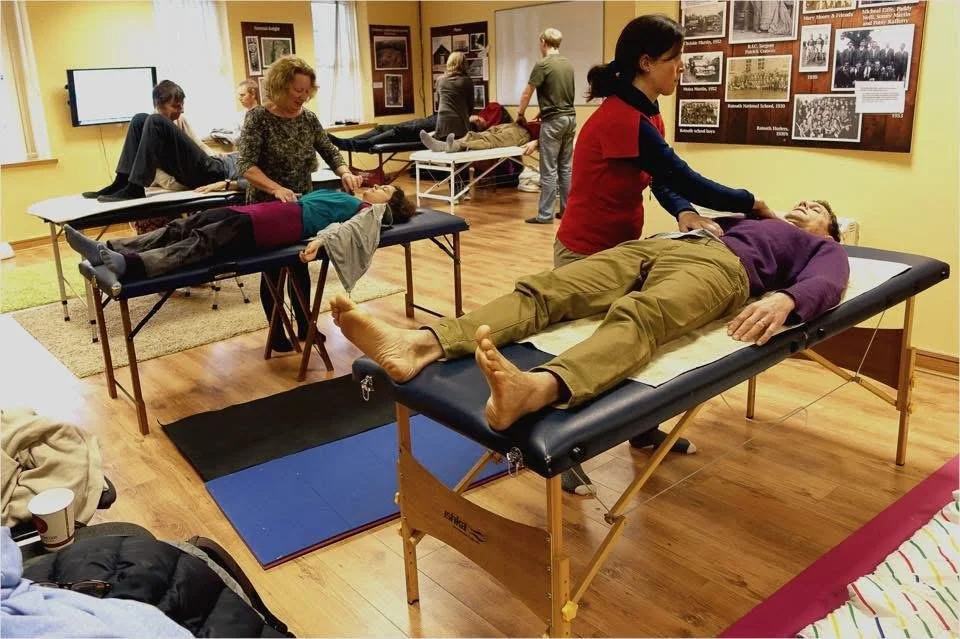
Discover the Power of Amatsu
For complementary therapists, Amatsu offers powerful techniques to uncover and address the root causes of health challenges, helping clients achieve lasting improvements in wellbeing.
For those seeking a new career, the Amatsu Practitioner Course provides an in-depth education in anatomy, physiology, and core therapeutic principles. This comprehensive training blends theory with hands-on practice, ensuring students develop the confidence and expertise to make a meaningful impact.
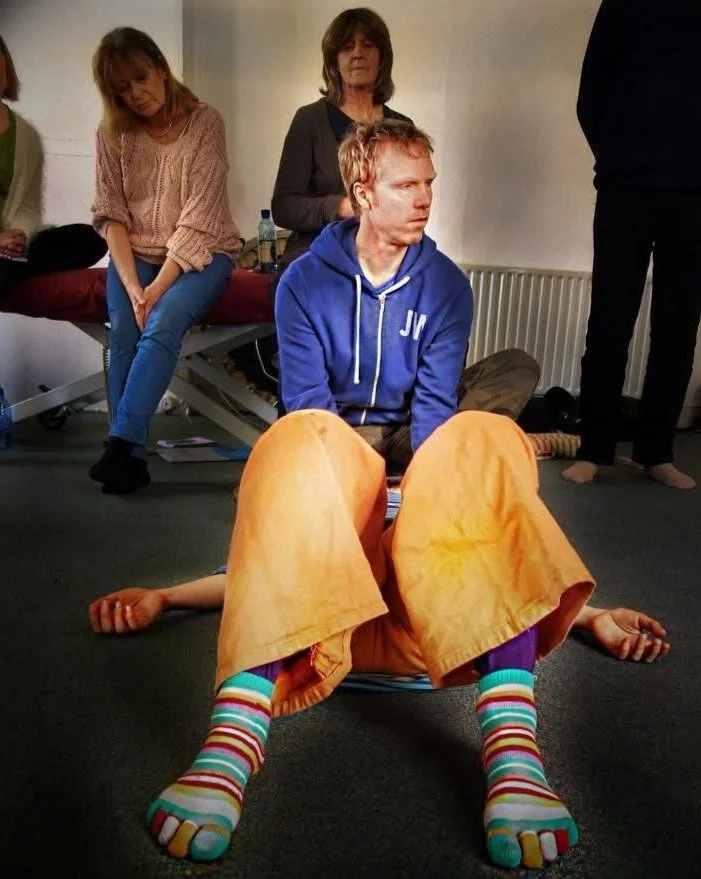
The Amatsu Practitioner Course
Our two-year training program is designed to fit alongside your existing work & commitments, offering a structured yet flexible approach to mastering Amatsu therapy.
The course is divided into three core areas of study:
Anatomy & Physiology (A&P)
Principles & Philosophy of Amatsu
Case Studies & Practical Workshops
-
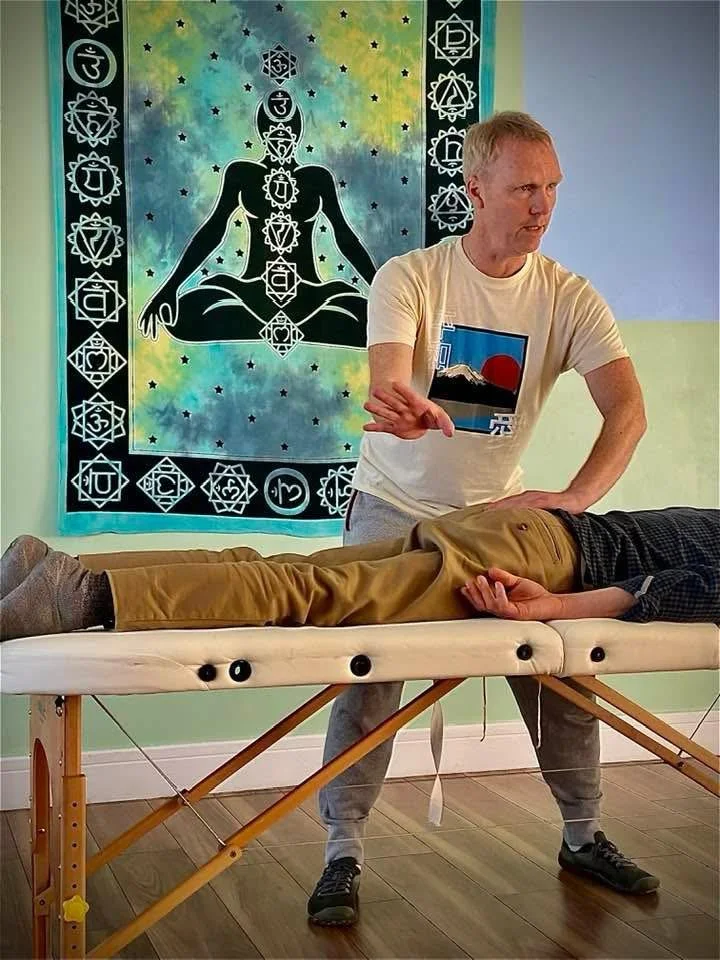
The first year focuses on Japanese massage techniques, assessment, and treatment of the body's musculature. Completing this year earns you an Anma massage qualification, allowing you to begin treating clients professionally.
ANMA is broken down into 7 modules of learning:
The Foot
The Knee
The Femur Heads
The Pelvis & Sacram
The Spine & Ribs
The Upper Extremity
The Head & Neck
-
Building on the foundation of Anma, the second year deepens your understanding of ligamentous structures and advanced Amatsu techniques.
Similar to ANMA, Setai is broken down into 7 modules of learning, this time focusing on the ligamentous structures and advanced practice:
The Foot
The Knee
The Femur Heads
The Pelvis
The Spine & Ribs
The Upper Extremity
The Head & Neck
Upon completion of both years (Anma & Seitai), you’ll earn the full Amatsu Practitioner Qualification gaining the skills, knowledge, and confidence to launch your own practice or enhance your existing therapeutic approach.
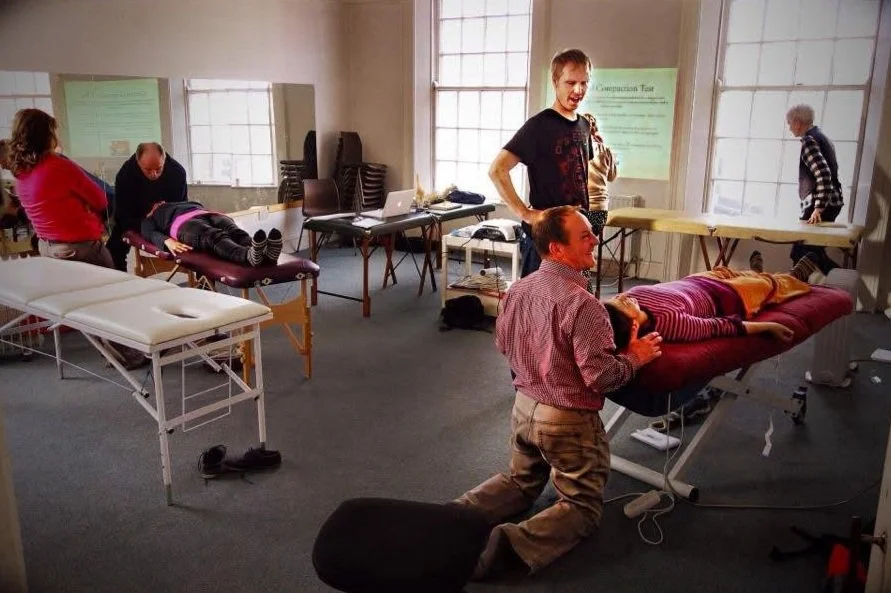
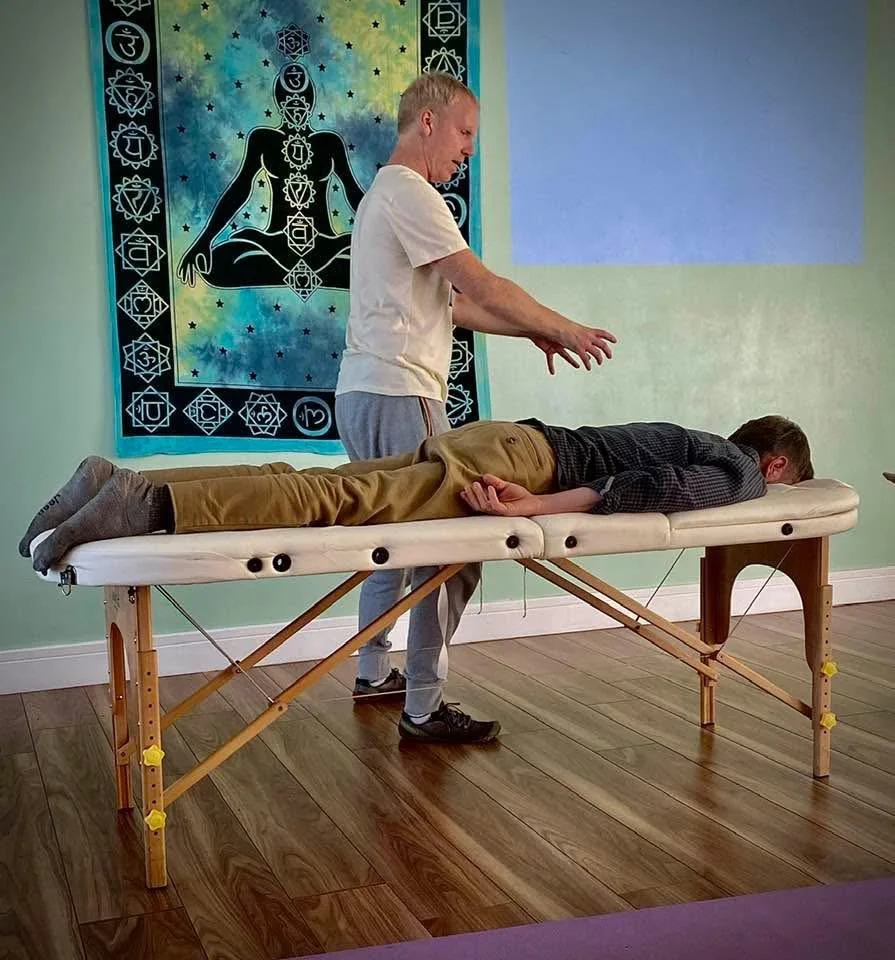
About your Trainer
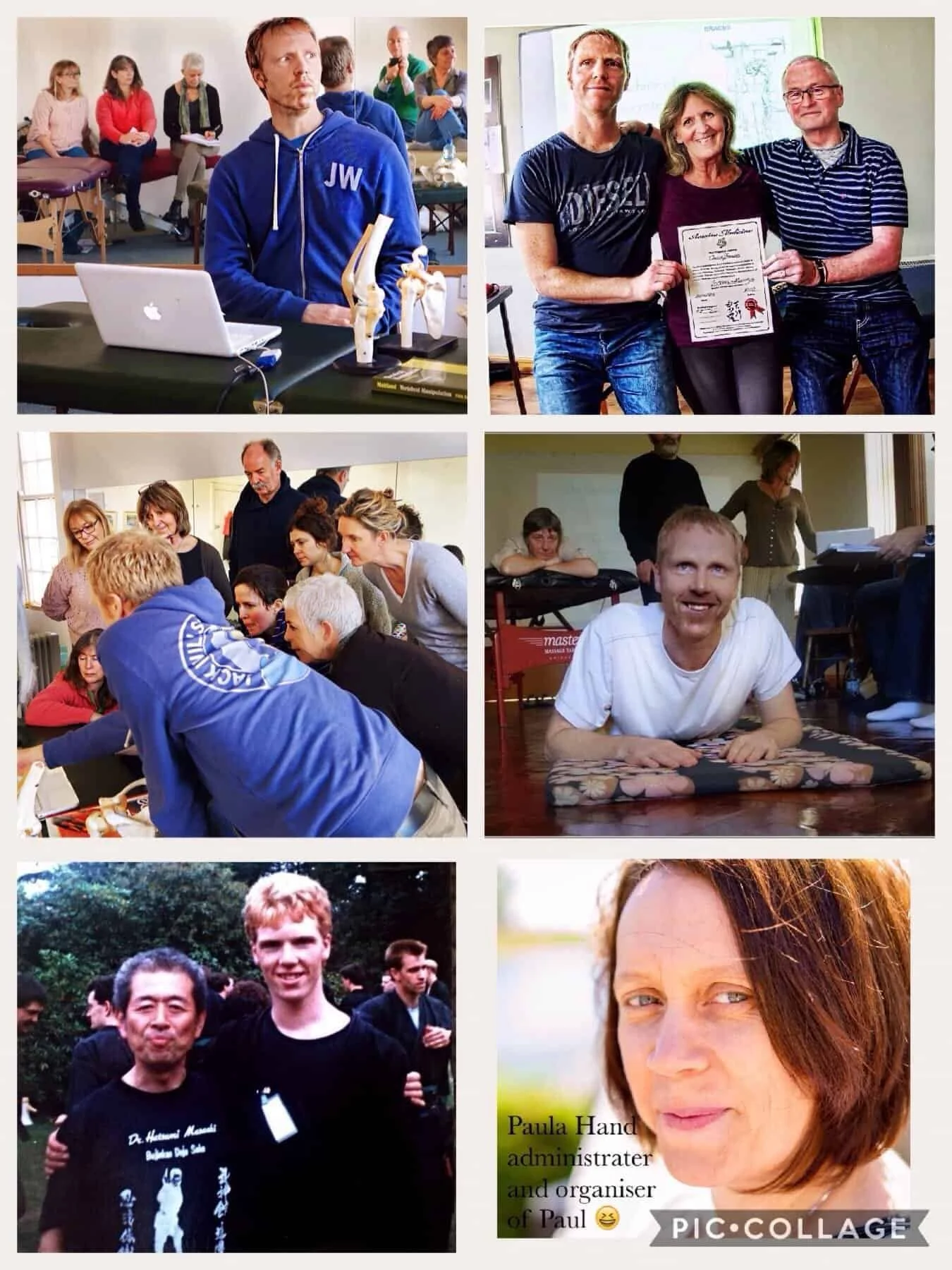
Paul Hand began his journey in natural medicine when he began training in Taijutsu (natural body movement) in 1987. At 19 years old he started teaching his own class becoming one of the youngest teachers in the country. Almost ten years later Paul become the first Amatsu Therapist in Yorkshire and subsequently the first teacher.
Spending much time training in Japan, Spain and the U.K. with Dr. Masaaki Hatsumi he has broadened his experience in Amatsu and martial arts, meeting many exceptional people along the way.
Paul has done much to promote the principles of Dr. Hatsumi both locally and at a national level, including serving as vice-chairman on the Amatsu Natural Medicine Association. Amatsu medicine is now firmly established in the Yorkshire region due to Paul’s efforts.
Through his years of teaching Amatsu in England Paul has had a long standing relationship with Amatsu in Ireland as both a student and teacher. He now offers his experience and knowledge over the waters in Ireland and provides practitioner and Continuing Professional Development training.
Training Requirements
Students will complete:
16 days of in-person practical classes per year (8 weekends)
1 additional revision weekend annually
1 examination weekend
500+ hours of directed home study per year
35 client case studies per year to strengthen clinical expertise
Regular assignments assessed by experienced instructors
Each year concludes with a formal examination, including:
Practical client treatment assessments
Theoretical exams covering A&P and Amatsu principles
Recognising the importance of professional success, we also provide training in business management, ethics, professionalism and client care, as well as senior practitioner mentoring, ensuring you’re equipped to build a sustainable practice.
Expression of Interest:
Brought to you by the Amatsu Association of Ireland in proud association with the Yorkshire Amatsu School.